
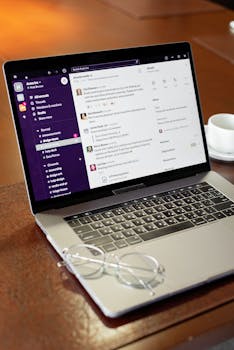
Прокинься завтра, і ти, ймовірно, потягнешся за смартфоном перед кавою. Вплив технологій на повсякденне життя проявляється в той момент, коли ми перевіряємо повідомлення або читаємо ранкові новини онлайн.
Цей постійний розвиток цифрових технологій формує те, як функціонують робочі місця, як ми спілкуємося та чого ми очікуємо від щоденних зручностей. Наслідки стосуються майже кожного, у кожній сфері.
Продовжуйте читати, щоб побачити точні способи, як реальні люди використовують технології для підвищення продуктивності роботи та якості життя, а також навчитися практичним крокам для адаптації до змін вже зараз.
Гнучкий графік роботи переосмислює щоденний розпорядок
Перехід на віддалену роботу дозволяє командам плавно співпрацювати та підтримувати проєкти в руслі, навіть у різних часових поясах. Це призводить до змін у щоденних звичках, налаштуванні робочого простору та управлінні командою.
Коли відеозустрічі, чати в реальному часі та спільний доступ до цифрових файлів стають стандартом, рутина змінюється. Кожен бачить, як технології впливають на повсякденне життя, розмиваючи межі між домом, роботою та соціальними зв’язками.
Сценарій реального робочого дня
Юлія входить у систему о 8:00 ранку, перевіряє запрошення на відеозустрічі та використовує спільний доступ до екрана для перегляду оновлень. Вона встановлює індикатори стану, сигналізуючи про зосереджений робочий час.
Під час розмови її собака гавкає, тому всі, крім того, хто говорив, вимикають звук. Джулія швидко адаптується і миттєво ділиться своїми нотатками в хмарній папці команди.
Вона завершує дзвінок, підтверджуючи терміни виконання та складаючи звіт для свого менеджера: «Слайди готові, відгуки додано до 10 ранку». Дистанційні процедури залежать від такого чіткого обміну інформацією за допомогою технологій.
Баланс між гнучкістю та продуктивністю
Браян починає працювати одразу після того, як забирає дітей зі школи, попередньо додавши до свого календаря блоки «Фокус» та нагадування. Він щогодини коригує пріоритети за допомогою цифрової дошки проектів.
Замість паперових списків він перевіряє інформаційну панель, на якій відображаються завдання, терміни виконання та прогрес. Це допомагає йому уникати перевантаження та візуалізувати завдання.
О 16:00 він виходить з системи, щоб приготувати вечерю та оновити свій список «виконаних справ на сьогодні». Вплив технологій на повсякденне життя тут означає поєднання самокерування, відповідальності та безперешкодного часу з родиною.
| Режим роботи | Необхідна технологія | Основна перевага | Їжа на винос |
|---|---|---|---|
| Віддалений | Відеоконференції, чати-платформи | Свобода розташування | Встановіть обмеження за допомогою «робочих годин» у своєму календарі. |
| Гібрид | Хмарне сховище, інструменти планування | Гнучкість та особисті зустрічі | Плануйте щотижневі завдання приблизно з днями проведення зустрічей на місці. |
| На місці | Автоматизована відвідуваність, інструменти робочого процесу | Структурований розпорядок дня | Використовуйте технології для плавної передачі роботи між змінами. |
| Фріланс | Трекери проектів, онлайн-оплата | Робота у власному темпі | Автоматизуйте рахунки-фактури, щоб більше зосередитися на оплачуваній роботі. |
| на основі гіг-платежів | Додатки для завдань, платформи оцінювання | Короткострокова гнучкість | Відстежуйте відгуки, щоб покращити вибір майбутніх підрядників. |
Щоденна інтеграція пристроїв спрощує особисті завдання
Кишенькові пристрої синхронізують календарі, розблоковують автомобілі та навіть варять каву дистанційно. Безшовна інтеграція робить технології впливаючими на повсякденне життя від хвилини пробудження до моменту засинання.
Персональні пристрої позбавляють від труднощів у плануванні, поїздках на роботу та навіть відстеженні здоров'я. Їхня зручність полягає не лише в продуманому дизайні, а й у функціональності.
Слідкуйте за своїми цифровими завданнями
Автоматичні нагадування про завдання надсилаються у потрібний момент, перетворюючи «Я забув» на «Я цим займаюся». Кожне сповіщення містить посилання на календарі або підтвердження електронною поштою для контексту.
Цей невеликий зсув означає, що до кінця дня доводиться витрачати менше часу на повторну перевірку планів. Люди кажуть, що до кінця дня вони відчувають себе менш розсіяними та більш успішними.
- Плануйте нагадування про ліки за допомогою застосунку для відстеження здоров'я, щоб уникнути пропусків доз та реєструвати симптоми під час перевірки сповіщення.
- Прив’яжіть свій розумний замок до свого розкладу, щоб двері відмикалися без використання рук, коли ви повертаєтеся додому — більше не потрібно шукати ключі.
- Запрограмуйте приготування кави на день, коли дзвонить ранковий будильник, синхронізуючи обидві програми для більш плавного початку дня.
- Додайте вікна для забирання дітей зі школи до програми сімейного календаря, позначені кольором для зручного сканування у завантажені дні.
- Встановіть «Тихі» години на своєму смарт-годиннику, щоб підтримувати концентрацію під час навчання або важкої роботи, і приймати лише термінові дзвінки.
Після цих кроків вплив технологій на повсякденне життя відчувається радше підтримуючим, ніж пригнічуючим, якщо їх використовувати цілеспрямовано.
Використання пристроїв для сімейних справ
Призначайте щоденні справи або події членам сім'ї за допомогою спільного додатка. Сповіщення нагадуватимуть дітям погодувати домашніх тварин або зв'язатися з батьками.
Автоматизовані платіжні додатки покривають кишенькові гроші або гроші на обід, а також щотижневу зведену інформацію про витрати та заощадження — батьки переглядають її разом зі своїми дітьми щонеділі.
- Діліться цифровими списками покупок: додайте зубну пасту до списку, і той, хто буде в магазині наступним, одразу побачить оновлення.
- Надсилайте терміни виконання домашніх завдань до групового календаря: брати і сестри ніколи не пропускають термін виконання, а батьки залишаються в курсі потреб школи.
- Натисніть одну кнопку, щоб приглушити світло та зачинити двері перед сном, створюючи сигнал для заспокоєння, якого слідує вся родина.
- Зробіть фотографію домашніх справ на білій дошці; використовуйте розпізнавання тексту OCR, щоб перетворити неохайний почерк на курований щоденний контрольний список.
- Відстежуйте години «без екранів» у застосунку для відстеження ігор, прагнучи винагород — мотивація зростає, а сімейний час отримує справжню спрямованість.
Вплив технологій на повсякденне життя стає більш плавним завдяки цим спільним цифровим процедурам, узгоджуючи кожного в унікальному ритмі домогосподарства.
Інструменти для співпраці швидше підвищують продуктивність команди
Команди, що використовують синхронізовані технологічні інструменти, усувають прогалини, покращують підзвітність та швидше завершують проекти. Прогрес кожної людини видно в режимі реального часу, що підвищує впевненість у наступних кроках.
Чи то спільне використання дощок під час дзвінків, чи то залишання коментарів із мітками часу, ці практики вносять ясність у роботу — приклади в дії дають практичні сценарії, яких можна дотримуватися одразу.
Впровадження хмарних робочих процесів
Команди використовують хмарні документи для редагування в реальному часі, тому оновлення з’являються миттєво, незалежно від того, хто їх друкує. Ніхто не чекає, поки обговорення електронних листів завершиться, щоб ухвалити рішення.
Коли хтось коментує «Готово до перегляду», цей розділ позначає для недогляду. Кожен користувач відстежує, які пункти завдання виконано, що усуває плутанину з пріоритетами.
Завдяки чіткій історії документів кожен може вирішувати проблеми з процесами, бачачи, хто що робив і коли — технології впливають на повсякденне життя завдяки прозорості.
Проведення швидких та ефективних віртуальних зустрічей
Сучасні інструменти для проведення зустрічей автоматично транскрибують нотатки, призначаючи висновки за іменами. Спільне вікно чату пропонує учасникам вводити зобов’язання «Я це зроблю» на льоту.
Щоб уникнути марнування часу, на порядку денному зустрічей є таймери початку/зупинки. Цей видимий зворотний відлік заохочує до конкретної розмови, зосередженої на рішеннях.
Після завершення дзвінка всі нотатки зберігаються в централізованій папці, і всі отримують однаковий зведений опис — пересилання трапляються рідко, оскільки ясність існує з самого початку.
Автоматизація завдань звільняє розумовий простір для роботи вищого рівня
Делегування повторюваних завдань автоматизації заощаджує години щотижня, дозволяючи людям переорієнтувати енергію на вирішення проблем, мозковий штурм та безпосереднє обслуговування.
Інструмент на основі правил відстежує рахунки-фактури або відповіді клієнтів протягом ночі. Вплив технологій на повсякденне життя проявляється у зменшенні стресу через дрібниці та кращій увазі до важливих питань.
Створення персональних послідовностей автоматизації
Налаштуйте автоматизацію «якщо-тоді»: «Якщо я отримаю нове замовлення, додайте подію в календар». Такі інструменти гарантують, що завдання ніколи не будуть забуті та поховані в електронній пошті.
Ця зміна дає справжню свободу. Фраза «Чи можете ви нагадати мені ще раз?» зникає з вашого словника, оскільки нагадування синхронізуються на всіх пристроях у потрібний час.
Створення стійких до помилок процедур
Перед тим, як залишити офіс, менеджер планує пакетну розсилку електронних листів для співробітників. Ці попередньо написані нотатки публікуються через встановлені проміжки часу, що зменшує кількість помилок, внесених вручну.
Працівник помічає, що нарахування заробітної плати відбувається автоматично в останню п'ятницю кожного місяця. Більше жодних нічних нагадувань; система реєструє кожну транзакцію без особливих зусиль.
Вплив технологій на повсякденне життя відображається в цих невидимих помічниках, які усувають тертя, автоматично випереджаючи як команди, так і окремих осіб дедлайни.
Посібник з аналізу даних та цифрового зворотного зв'язку: розумні рішення
Аналіз ефективності та тенденцій допомагає окремим особам та організаціям удосконалювати стратегії та робити точний вибір, мінімізуючи здогадки. Цикли зворотного зв'язку усувають розрив між діями та покращенням.
Технологічні інструменти перетворюють щоденну активність — пройдені кроки, здійснені дзвінки, укладені продажі — на візуальні інформаційні панелі. Спостереження за розвитком цих показників з часом створює відчутні результати.
Використання даних для самовдосконалення
Відстежуйте щоденні досягнення на діаграмі прогресу. «Я відповів на 30 електронних листів, виконав усі три найважливіші завдання до полудня» стає реальним показником ефективності.
Додатки зі зворотним зв’язком використовують графіки, щоб виявити спад мотивації. Якщо активність зменшується, система надсилає цільові нагадування, наприклад, «Спробуйте 15 хвилин зосередженого письма зараз».
Вплив технологій на повсякденне життя стає зрозумілішим, коли ці дані формують звички та спонукають до святкування прогресу, великого чи малого.
Використання зворотного зв'язку для розвитку команди
Команди збирають анонімні опитування після великих проектів. Результати виявляють тенденції, такі як поширені запити на більше часу на підготовку або менше зустрічей щодо статусу.
Лідери перетворюють результати на конкретні кроки: «Пересуньте термін підготовки порядку денного на один день». Наступного разу вся команда витрачає менше енергії на помилки, яких можна уникнути.
Ця закономірність — перегляд даних, дії на основі отриманих уроків, відстеження результатів — показує, що технології впливають на повсякденне життя як двигун постійного покращення робочого місця.
Безперервне навчання та розвиток навичок сприяють кар'єрній мобільності
Цифрові навчальні платформи дозволяють користувачам розвивати нові навички за власним розкладом, створюючи гнучку альтернативу традиційним навчальним заняттям. Такий негайний доступ стимулює зміну кар'єри або підвищення кваліфікації.
Вебінари на вимогу, онлайн-курси та відеоуроки дозволяють працівникам будь-де отримати сертифікат, потренуватися в кодуванні або репетирувати презентації.
Зробіть навчання частиною робочого тижня
Роботодавці виділяють одну годину на тиждень для онлайн-навчання, заохочуючи персонал вивчати трендові навички, такі як основи штучного інтелекту, кібербезпека, аналіз даних, що підвищують безпеку зайнятості.
Люди щотижня встановлюють у календарі подію «навчання». Кожен завершений урок доповнює колекцію цифрових значків, допомагаючи людям з часом створювати видиме портфоліо сильних сторін.
Вплив технологій на повсякденне життя тих, хто навчається протягом усього життя, означає зниження бар'єрів для входу, зростання навичок та підвищення актуальності на мінливому ринку праці.
Надаємо простір для зростання кожному
Команди використовують навчальні спільноти, щоб ділитися тим, що працює: «Я пройшов цей курс з порадами щодо Excel і скоротив час написання звіту на 25 відсотків». Колеги навчаються скороченим методам безпосередньо один в одного.
Лідер запускає коучинговий форум, дозволяючи новачкам публікувати «застряглі» моменти. Швидкі відповіді та відео з рішеннями стимулюють усіх до руху, підтримуючи щоденний взаємний розвиток.
Вплив технологій на повсякденне життя проявляється там, де навіть звичайні навчальні процедури зміцнюють впевненість команди та стимулюють її розвиток, готуючи працівників до вимог завтрашнього дня.
Продовжуйте адаптуватися: менталітет та звички для успіху в галузі технологій
Знати найкращий інструмент — це не те саме, що добре ним користуватися. Перетворення технологій на позитивний вплив на повсякденне життя означає прийняття гнучкого підходу та готовності до випробувань.
Замість того, щоб ставитися до технологій як до «налаштував і забув», найкращі виконавці експериментують, обмінюються стратегіями та діляться перемогами — звички, які кожен може виробити з практикою.
Будьте терплячими під час впровадження нових інструментів. Змиріться з необхідністю навчання та використовуйте перший тиждень, щоб перерахувати, що вас бентежить, а потім попросіть цільові навчальні відео або бесіди.
Створіть звички «швидше виходьте з ладу, швидше налаштовуйтесь»: коли програма не працює, призупиніть її, попросіть товаришів по команді виправити ситуацію або спробуйте три нові налаштування, перш ніж повністю відмовитися від інструменту.
Вплив технологій на повсякденне життя зростає для тих, хто свідомо щомісяця блокує час, щоб позбутися технічних зайвів, переглянути, які програми їм потрібні, та видалити решту.


