
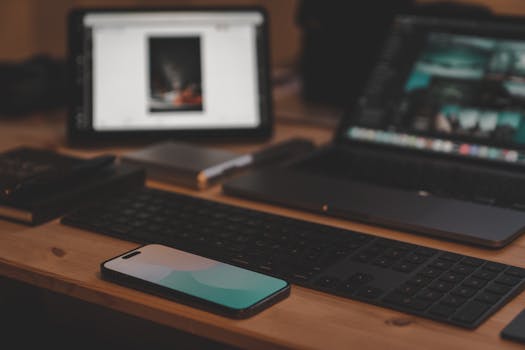
ג'אגלינג בין טלפונים, טאבלטים ומחשבים ניידים יכול להרגיש קצת כמו סיבוב צלחות - צעד אחד לא נכון והכל מאט. ניהול מספר מכשירים לא חייב לרוקן את האנרגיה שלך.
בין אם אתם עובדים מהבית או במשרד, עומס יתר על מכשירים הוא אתגר אמיתי ליעילות. הסחות דעת, עומס יתר על מידע ואובדן זמן הם סיכונים שכדאי להתמודד איתם היום.
מוכנים לקחת פיקוד ולנהל מספר מכשירים בלי לתלוש את השיער? ההנחיות הבאות יציידו אתכם להספיק יותר, לשמור על קור רוח ולהישאר מאורגנים.
בניית שגרה מבוססת הרגלים שומרת על כאוס במכשירים
הגדרת שגרות יומיומיות נותנת לכם מפת דרכים קונקרטית לגבי מתי וכיצד להשתמש בכל מכשיר. בהירות זו שומרת עליכם ממוקדים ותומכת בניהול חלק של המכשיר.
עקביות משתלמת כשמקצים גבולות זמן לבדיקת הודעות, סנכרון אפליקציות ועדכון תוכנות בטאבלטים ובמחשבים כחלק מהתוכנית לניהול מכשירים מרובים.
הקצאת מכשירים למשימות מפחיתה את עלויות המעבר
הקצו מכשיר אחד לשיחות ומכשיר אחר לרישום הערות. הימנעו מפיתוי לבצע מספר משימות במקביל, שלעתים קרובות גורם לבלבול ולהזנת נתונים כפולה.
שקלו לתכנת את תהליך העבודה שלכם באמצעות סקריפט: "אבדוק אימייל רק במחשב הנייד שלי, אערוך מסמכים בטאבלט שלי לפני ארוחת הצהריים ואשמור את הטלפון שלי לשיחות אחרי 15:00". היצמדו לרצף זה לקבלת בהירות טובה יותר.
גבולות קטנים ומכוונים אלה מפחיתים מתח ומייעלים את יומכם, מה שמקל על ניהול חלק של מכשירים מרובים.
חזרה בונה זיכרון שרירים ומייעלת התנהגות
התייחסו לשימוש בכל מכשיר כאל שלב קבוע, כמו נגיעה מתמדת בשעון החכם שלכם כדי להפעיל טיימר לפני משימה. עד מהרה, המעברים ירגישו טבעיים.
דמיינו שף שממקם סכינים ומחבתות באותם מקומות מדי יום. מידול מיקום ושגרת המכשירים תומך באותה אמינות ומפחית את בזבוז הזמן של "ציד וניקור".
חזרו על שגרות באותו סדר בכל יום. עד מהרה, המוח שלכם יחבר את השימוש במכשירים לפעולות באופן אוטומטי, יחזק את הפרודוקטיביות ויגרום לניהול מכשירים מרובים בפחות מחשבה.
| שִׁגרָתִי | התקנים בשימוש | זמן חיסכון משוער | טייק אווי |
|---|---|---|---|
| סידור בוקר | מחשב נייד, טלפון | 15 דקות | הכינו מכשירים כדי להפחית הפתעות |
| בדיקת אימייל | מחשב נייד בלבד | 10 דקות | צמצום חזרות |
| שיחות/פגישות | טלפון, אוזניות | 8 דקות | הישארו ללא ידיים |
| סנכרון קבצים | מחשב נייד, טאבלט | 12 דקות | גיבוי מיידי |
| סיכום סוף היום | כל המכשירים | 15 דקות | התראות מסודרות וטעינה |
התאמה אישית של מכשירים מייעלת את זרימת העבודה שלך למיקוד טוב יותר
התאמה אישית של הגדרות התראות, קיצורי דרך ומסכי בית עבור כל מכשיר מתאימה את הכלים שלך למשימות ולמטרות היומיומיות שלך. זה מקל על ניהול מספר מכשירים ושמירה על ריכוז.
הגדרות מכשיר מותאמות אישית מונעות חפיפה - הטאבלט שלך לא מזמזם להודעות שאתה רוצה שיופיעו בטלפון שלך, והמחשב הנייד שלך מפעיל רק את האפליקציות שאתה צריך לפני העבודה.
סינון התראות מבטל רעש
השבת התראות לא חיוניות. אפשר שיחות או תזכורות דחופות רק בתקופות של ריכוז גבוה - זוהי הדרך המהירה ביותר להימנע מחלונות קופצים אינסופיים שמפריעים לשגרה שלך.
השתמשו ב"נא לא להפריע" במחשבים ניידים במהלך מפגשי יצירה. בטאבלטים, השתיקו התראות חברתיות עד להפסקות. הרגל זה שומר על אנרגיה ותשומת לב בזמן שאתם מנהלים מספר מכשירים.
- הגדר פרופילי התראות לשעות שונות ביום; זה שומר על ריכוז רענן ומעניק לך זמן מנוחה בגודל כיס בין פרק זמן מאמץ גבוה.
- הגדר הרשאות אפליקציה - אפשר לאפליקציות פרודוקטיביות להציג התראות, אך השתיק לחלוטין אפליקציות בידור לניהול זרימת עבודה ללא הפרעות.
- הפעל לוחות זמנים לשינה של המכשיר. כאשר הטלפון שלך ישן, כך גם הסחות דעת, ותומכת בהפרדה בריאה בין מכשירים גם בעת ניהול מספר מכשירים.
- בדוק את הגדרות ההתראות מדי חודש; ככל שהצרכים שלך משתנים, כוונון שומר על מטרד נמוך ועוזר לעקוב אחר אילו התראות עדיין ראויות לתשומת לבך.
- למדו מכשירים לכבד מצבי עבודה - "מצב פגישה" משתיק הכל מלבד היומן, ומונע החלפת הקשר ולחץ.
התאימו את המכשירים ליום העבודה הרצוי בפועל, ולא ליום העבודה המוגדר כברירת מחדל. כוונון אקטיבי מאפשר לכם לנהל מכשירים מרובים בתנאים שלכם.
יצירת קיצורי דרך מקדמת זרימה ומפחיתה קליקים
הוסיפו קיצורי דרך למסך הבית עבור אפליקציות חוזרות כך שהחלפת מכשירים תדרוש שתי לחיצות, בלי חיטוט. גררו את מנהל המשימות, לוח השנה ועורך המסמכים הראשי למעגן הטלפון שלכם לגישה מיידית.
- קבץ קבצים ותיקיות קשורים בשולחנות העבודה של המכשירים שלך למעבר מהיר בין כלים נחוצים - פחות זמן בחיפוש, יותר זמן ביצירה, פחות כרטיסיות פתוחות במכשירים שלך.
- השתמשו בקיצורי מקלדת או מחוות במידת האפשר. הקצה מקש קיצור לצילומי מסך, או תנועות החלקה לפתיחת אפליקציות פרודוקטיביות. הטריקים הקטנים האלה מצטברים לחיסכון גדול בזמן.
- תכנתו את הסימניות של הדפדפן לתיקיות לפי שימוש יומיומי. לחיצה אחת פותחת את כל מה שאתם צריכים במכשירים שונים במקום חיפוש חלקי.
- שמרו את ווידג'טי האפליקציות הנפוצים ביותר שלכם בעמוד הראשון של כל מכשיר, כך שמעקב אחר ההתקדמות ומשימות ידרוש רק מבט חטוף, לא גלילה.
- אוטומציה של משימות חוזרות ונשנות היכן שהמכשירים שלך מאפשרים זאת. החל מהזמנות ליומן ועד העלאות לענן, אוטומציה מקצרת את הזמן המושקע בעבודת ניהול חוצת מכשירים.
כאשר קיצורי דרך וארגון חכם עושים את העבודה הקשה, אתם משחררים את עצמכם להתמקד במה שחשוב ביותר - השגת תוצאות וניהול חלק של מספר מכשירים עם חיכוך מינימלי.
מערכות סינכרון מאוחדות מונעות אובדן מידע ועבודה לא עקבית
קביעת כללי סנכרון ענן כלל-מערכתיים מבטלת כאבי ראש של ניהול גרסאות ועוזרת לך לנהל מספר מכשירים בצורה אמינה מבלי לשכפל נתונים או לפספס עדכונים אחרונים.
בחירת כלים עם תמיכה בין מכשירים מונעת פערים
בחרו אפליקציות מבוססות ענן ששומרות אוטומטית על קבצים, סימניות והערות מעודכנים. לדוגמה, "אני רוצה שההערות שלי יהיו בכל מכשיר באופן מיידי, ללא צורך בייבוא או בדוא"ל."
ודא שהאפליקציות משתלבות עם כל המכשירים שלך. אם אתה מבחין בשגיאות השהיה או סנכרון, עבור לכלים עם רקורד של ביצועים חלקים ועדכוני תמיכה מהירים.
אל תתעלמו מסנכרון לוח שנה ומשימות - אלה קושרים פרויקטים יחד, ומאפשרים לכם לנהל מספר מכשירים מבלי לפספס דד-ליינים. ודאו שהמרכז שלכם תמיד בהישג יד.
שימוש ברשימות בדיקה לאישור השלמת הסנכרון חוסך זמן
צרו רשימת בדיקה יומית או שבועית: "האם ראיתי את הקובץ הזה בטלפון ובמחשב הנייד שלי? האם העריכות מעודכנות בכל מקום?" סמנו תוך כדי.
אם מתעוררת בלבול - "האם תמונה זו עודכנה בטאבלט?" - בצעו ביקורת קצרה לפני שתעברו למשימה הבאה. זה מבטיח ששום דבר לא ייפול בין הכיסאות.
רשימות בדיקה לסנכרון פועלות כמו עגלת מזוודות בשדה התעופה בעת מסירת מכשירים: הוכחה מוחשית שאתם לא משאירים דבר מאחור בזמן שאתם מנהלים מספר מכשירים.
ארגון פיזי ממזער את זמן התקנת המכשיר ומפחית את לחץ החיפוש
סידור סביבת העבודה שלכם עם אזורים ייעודיים לכל מכשיר מבטיח יעילות בעת החלפת משימות - אין עוד צורך להתיר כבלים או לחפש גאדג'טים חשובים מתחת לספרים.
אחסנו מטענים, מעמדים וציוד היקפי במיכלים מתויגים או במארגני בד תלויים. הקציבו אזור טעינה שבו כל מכשיר מתעגן מדי לילה - והפכו זאת לטקס בסוף יום העבודה שלכם.
חלוקת אזורים לשולחן העבודה לפי סוג המכשיר מפחיתה את החיכוך במעברים
הקצו מקומות ספציפיים לטלפונים (פינה ימנית), טאבלטים (מעמד שמאל) ומכשיר העבודה העיקרי שלכם (במרכז) - בדיוק כמו ששף מסדר סכינים, סירים וצלחות למען מהירות ובטיחות.
תייגו את קצוות הכבלים; עטפו עודפים באמצעות רצועות רב פעמיות. זה מפחית עומס ומאפשר לכם להחליף מכשירים בתנועה אחת אם הסוללות מתרוקנות או שיחות נכנסות פתאום.
אם אתם עוברים בין משרדים או חדרים, שמרו על מיכל נייד עם מטעני מכשירים מרכזיים, וכך תפחיתו את בהלת "איפה המתאם שלי?" ובזבוז זמן בניהול מספר מכשירים.
אגירת הרגלים משפרת את העקביות גם כאשר השגרה משתנה
שלבו משימות יומיומיות של מכשירים עם הרגלים קבועים. לדוגמה, חברו את המחשב הנייד שלכם בכל פעם שאתם ממלאים את בקבוק המים. תזכורות פיזיות מגבירות את הביצוע, במיוחד תחת לחץ.
נסו להניח פתקיות דביקות או רמזים חזותיים בתחנות טעינה - אלה עוזרים לשמור על לולאת ההרגל עד שהפעולה הופכת לטבע שני, בדיוק כמו לנסוע באותו מסלול לעבודה כל יום.
טריגרים קטנים מבוססי מיקום מאפשרים ניהול יעיל של מספר מכשירים בקלות, ללא קשר ללוחות זמנים משתנים או לימי נסיעה.
עדכוני תוכנה ואבטחה שוטפים מגנים על הפרודוקטיביות בכל המכשירים
שמירה על עדכונים סוגרת פערים באבטחה, מונעת קריסות ומספקת תכונות משופרות לתיאום משימות כשאתה מנהל מספר מכשירים מדי יום.
קבעו בדיקות שבועיות כדי לסרוק אחר תיקוני תוכנה, שדרוגי מערכת הפעלה ושיפורים באפליקציות. הגדרת תזכורות מבטיחה שלא תפספסו שיפורים קריטיים במהלך שבועות עמוסים.
לוחות זמנים של תיקונים מונעים השבתה ואובדן נתונים
סמנו ביומן שלכם אחר הצהריים של שישי כדי לעדכן את כל המכשירים תוך כדי הכנות לסוף השבוע. תכנון זה מפחית הפרעות במהלך שעות העבודה אם מתרחשות בעיות.
הקצו משימות עדכון לפי סוג - טלפונים תחילה, תחנות עבודה אחרונות, התקנים היקפיים שלישית. היצמדו לאותו סדר לצורך חיזוי וכדי לזהות טעויות מוקדם בכל פעם שאתם מנהלים מספר מכשירים.
תעדו סיסמאות ויומני עדכונים בפתק מאובטח ומוצפן כך שהשחזור יהיה מהיר אם עדכונים דורשים איפוסים או קודי אימות - וחוסכים לכם נעילות או אובדן קבצים.
אימות דו-שלבי מוסיף שכבת בטיחות לתהליכי עבודה מרובי מכשירים
הפעל אימות דו-שלבי (2FA) בכל מכשיר או חשבון מחוברים כדי להגן על הגישה, במיוחד בעת שיתוף מכשירים עם חברי צוות או בני משפחה.
שמרו על אפליקציות אימות בשני מכשירים. לדוגמה, אם הטלפון שלכם נטען, השתמשו בטאבלט כגיבוי - ובכך צמצמו את זמן ההשבתה כאשר נדרשת גישה מהירה למכשיר.
אפס קודי שחזור בכל רבעון לשיפור היגיינת האבטחה. זה שומר על שגרות מדויקות ומגן על היכולת שלך לנהל מכשירים מרובים בצורה מאובטחת, ללא קשר לסביבה.
אסטרטגיות בנות קיימא לניהול מכשירים מרובים ומקסום יעילות
איזון בין שגרות יומיומיות, התאמה אישית חכמה וארגון פיזי הופך שימוש מפוזר ומלחיץ במכשירים לזרימה פרודוקטיבית וקלה לחיי עבודה או בית.
שיפור מערכות הסנכרון, עדכון המכשירים ובניית הרגלים עקביים עוזרים לכם לנהל מכשירים מרובים בחוסן - תוך הגנה על תשומת הלב, האבטחה ואיכות העבודה שלכם.
יש ליישם את האסטרטגיות הללו צעד אחר צעד, תוך התאמתן בהתאם להתפתחות הצרכים שלכם. תרגול ניהול מכשירים מודע הופך כעת את עולם הטכנולוגיה המורכב שלכם לניתן לניהול וגם מתגמל מאוד.


