
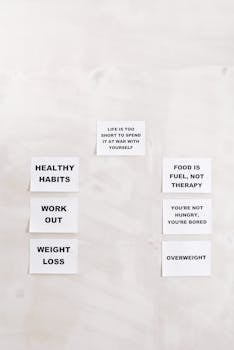
Nearly everyone has experienced a slump after setting big self-improvement goals. These moments can catch you off guard, especially when personal growth mistakes creep in and quietly slow you down.
Recognizing where your process gets jammed matters, since silent barriers build up when routines or mindsets go unchecked. Each small decision compounds, affecting your longer journey and pace.
If you want practical, everyday strategies to avoid stalling, keep reading. You’ll find clear examples and tips to transform personal growth mistakes into moments of real movement and progress.
Spotting Hidden Habits That Undermine Daily Progress
By learning to catch subtle habits, you can quickly course-correct and reclaim lost momentum on your growth path. This approach brings self-awareness into daily routines.
Personal growth mistakes nest themselves in familiar behaviors—often masked as harmless rituals. If unchecked, they add resistance to change and block the momentum that drives your personal growth forward.
Interrupting Routine Without Purpose Leads to Friction
Breaking routines randomly feels liberating, but it reduces traction. “I’ll just switch my schedule today” might cause you to lose consistency and confidence in your planned path.
Instead of jumping routines, pause and ask why you’re shifting at all. Purposeful changes stick. Dropping structure without intent is a personal growth mistake that steadily erodes momentum.
Try: Stick with your planned morning routine this week. If you want to swap, write down your specific reason and your expected outcome before making changes.
Letting Small Distractions Grow Into Full Detours
When your phone pings during focus time, you might check it “just once.” The habit snowballs, subtly chewing up valuable minutes and focus power every day.
This personal growth mistake compounds because micro-interruptions splinter attention. Before you know it, an hour disappears, leaving your goals untouched and frustration piling up.
Instead, silence your notifications for a simple thirty-minute block. Watch how your clarity and productivity recover—then expand this undistracted focus window gradually.
| Behavior | Pattern Recognized | Hidden Cost | Action to Take |
|---|---|---|---|
| Random schedule changes | Lack of consistency | Reduced habit strength | Document reasons before adjusting routines |
| Unplanned social media breaks | Decreased focus | Lower productivity | Set phone-free work intervals |
| Skipping daily reflection | Reactive mentality | Missed course-correction | Review one win and one challenge before bed |
| Multi-tasking during creative work | Fragmented attention | Shallow results | Block 30 minutes for single-task focus |
| Delaying small tasks | Procrastination tendency | Burden builds up | Tackle two-minute jobs immediately |
Breaking Down the Harm of Chasing Motivation Over Discipline
Pursuing hype or bursts of inspiration leaves your progress tied to fleeting moods. Building discipline, instead, secures your long-term results through repeatable actions every day.
Personal growth mistakes appear when motivation is overvalued. People remain stuck, waiting for their “drive” to magically reappear, rather than relying on systems that support real movement.
Daily Consistency Beats Rare Inspiration
Returning to tasks each day, regardless of mood, builds a stronger self-concept. Remind yourself: “Doing a little now is more useful than waiting for perfection.”
Personal growth mistakes emerge when you tell yourself, “I’ll start when I feel ready,” because readiness is rare. Instead, act a little today—even on tough or boring days.
- Commit to a set time for your priority task each day; this habit builds discipline because your body and mind expect it.
- Use a calendar reminder that simply says “show up”—this cues your brain to default to action, not debate.
- Set a tiny minimum (like one paragraph or five pushups) to lower your ‘start’ barrier. This builds confidence every time you follow through.
- Create a “reset ritual” for when you fall off track, such as taking five deep breaths, then immediately opening your task app or journal.
- Log your action, no matter how small. Tracking builds evidence that you’re consistent, reinforcing your new identity and progress.
Try at least two tactics from this list today to move your focus from feeling motivated to acting consistently.
Recognizing When You’re Chasing Energy Instead of Results
Personal growth mistakes happen when people say, “I need to get pumped up first.” Energy will ebb; commitment needs to stabilize your path, not emotions.
If you wait for the “right feeling” before acting, tasks drift undone. Instead, repeat your simple starter step during low-energy afternoons to witness steady movement.
- Reframe cues from “Am I motivated?” to “Which action can I do now regardless of mood?” This keeps progress moving when your mind wavers.
- Prepare a visible sticky note with tomorrow’s first task written in large letters. This visual cue bypasses mental negotiation in the morning.
- Pair an easy physical movement (like walking in place) with your intention. Motion primes the mind toward action, making next steps less daunting.
- Start a “done” list to visually collect every small achievement. As the list grows, you’ll see proof of your follow-through even on low days.
- Ask one friend for a quick progress check-in every Friday. External accountability transforms a private promise into shared momentum.
Instead of waiting to feel ready, implement one small action from above and experience your progress returning, even if energy is low today.
Clearing the Path by Challenging Limiting Beliefs About Success
By identifying and reshaping hidden beliefs about success, you can clear long-standing mental roadblocks and speed up your personal growth journey. This shift enables more possibility.
Personal growth mistakes don’t occur just in action, but also in the thoughts you hold. Limiting beliefs act as invisible brakes—quietly slowing your stride and shrinking your ambitions.
Replacing “I’m Not That Kind of Person” With Flexible Self-Talk
If you catch yourself thinking, “I’m just not disciplined,” swap it for, “I’m learning new skills, one small win at a time.”
Notice when this language appears—maybe after a slip in your routine. Instead of repeating old stories, immediately reframe them in the present tense with a progress focus.
This mental script correction disrupts personal growth mistakes rooted in outdated self-image and creates room for new evidence of your efforts.
Proactively Testing Unhelpful Assumptions
When you think, “That strategy won’t work for me,” purposely test the assumption with a small, low-stakes experiment. Gather real data rather than clinging to your prediction.
For example, if you believe morning routines don’t suit you, try a five-minute experiment and reflect honestly before tossing the method aside.
Document your experience—even if it confirms your hunch, you now operate from awareness rather than from habit, removing another personal growth mistake barrier.
Pushing Past Stalls: Applying Awareness for Lasting Progress
Catching personal growth mistakes early helps you shift from stalled routines to those that support lasting, meaningful progress. Each small tactic you apply chips away at invisible obstacles.
This awareness lets you pivot with intent, not just reaction. Repetition of these actions roots out hidden mental habits and external blockers before they accumulate.
Your journey unfolds not through waiting for perfect conditions, but by responding skillfully to personal growth mistakes as they arise—and using each lesson as a stepping-stone forward.


