
How to Pack Efficiently for Any Type of Trip: A Complete Guide
Picture the relief of opening your suitcase and finding everything easy to spot and ready to use. Suddenly, travel anxiety fades away and you feel prepared for your adventure.
Efficient packing saves valuable time and helps avoid surprise baggage fees. Learning how to pack for travel means every trip is more organized, comfortable, and stress-free, regardless of destination.
This article shares actionable steps for how to pack for travel, giving you adaptable strategies you’ll turn to again and again. Read on for insights and practical tips tailored to any journey.
Start With Essentials and Build Around Your Trip’s Purpose
Your first task is to anchor your packing with must-have items tailored to your main trip goal. This process shapes every other packing decision you make.
Whether you’re planning business, leisure, or adventure, knowing how to pack for travel begins with a clear outline of your primary daily activities upon arrival.
Define Your Typical Day to Guide Clothing Decisions
Hold a pen and quickly jot down your anticipated trip schedule. If sightseeing or hiking is dominant, prioritize performance attire; stick with easy-care fabrics for urban business.
Imagine verbally describing your destination’s climate to a friend—“It’s humid, with chilly evenings.” This simple script will clarify the layers and accessories you’ll need.
If your agenda shifts daily, opt for multi-use garments. A lightweight cardigan can transform from airplane comfort to dinner layering, giving you more value per cubic inch packed.
Group Every Item by Use Before Placing Them in Your Bag
Lay everything out on a bed or table before choosing your suitcase. Group your clothing, electronics, and toiletries by usage scenario.
Doing this forces you to articulate, “I’m bringing these pants for hiking, these shoes for formal dinners.” Any item with no specific planned use likely isn’t worth the space or weight.
After grouping, pack by category from largest to smallest. Build layers in your luggage based on urgency on arrival—quicker access for pajamas or fresh clothes after a red-eye flight.
| Trip Type | Top Essentials | Space Saver | Do This First |
|---|---|---|---|
| Business | Travel-size steamer, wrinkle-resistant shirts | Roll ties, pack only two suits | Set out meeting outfits in advance |
| Beach Vacation | Swimsuits, high-SPF sunscreen | Pack two mix-and-match swim sets | Plan outfits by beach days |
| Adventure/Hiking | Moisture-wicking layers, hiking boots | Blend day and night layers | List each activity’s dress code |
| City Exploration | Comfortable walking shoes, crossbody bag | Choose versatile dark-colored items | Lay out weather-appropriate basics |
| Family Visit | Gift for hosts, backup chargers | Share toiletries with family | Coordinate laundry access in advance |
Plan Outfits Using a Versatile Color Palette and Strategic Layers
Visualizing your daily activities makes outfit planning simple, anchored by color palettes you know work together. This rule ensures maximum outfit flexibility and minimal overpacking.
It helps to select two dominant base colors—perhaps black and navy—and then add a couple of accent hues that suit your personal style. Shoes and jackets should always match base colors.
Map Out Interchangeable Wardrobe Combinations
Create three-day capsules mixing tops and bottoms that all coordinate. An example: two pants, three shirts, one multipurpose jacket, all in your chosen color scheme.
If you’re wondering how to pack for travel with minimal items, this capsule method shows that seven articles can yield up to nine outfits with no repeats.
- Choose neutrals and layer-friendly pieces because these allow every item to work together across different scenarios, from sightseeing to dining out.
- Pack two pairs of shoes: one for comfort (walking/hiking) and one for formality or occasional dress events. Alternate between them, adjusting for the day’s activity.
- Include lightweight, packable accessories (scarf, hat, jewelry) to quickly shift the mood of each outfit, especially for climate changes or evening updates.
- Roll socks and undergarments inside shoes to maximize space, reduce wrinkles, and speed up daily outfit selection when you’re eager to start exploring.
- Keep a laundry kit: travel detergent sheets and a sink stopper save you from overpacking while letting you refresh essentials during longer journeys.
With this approach, how to pack for travel becomes less stressful. Outfit choices in the morning are faster, and your suitcase stays tidy throughout your stay.
Use Layering for Unpredictable Weather or Diverse Events
Your trip may span several climates or social occasions. Build a layer system: a base tee, a mid-layer like a sweater, and a weather-resistant outer shell.
Arrange these layers in your bag by frequency of use—keep base layers closer to the top for quick access during erratic temperature swings or sudden rain.
- Bring a compressible down vest for warmth—easy to add or remove, fits in any backpack, and shields against surprise chills during hikes or city evenings.
- Pack a packable windbreaker or rain jacket at the suitcase’s edge for immediate use. Choose bright colors if traveling with a group for easy visibility and coordination.
- Layer a thermal tee under dressier shirts if you expect both professional meetings and chilly weather, preventing the need to bring bulky sweaters or duplicates.
- Choose an all-purpose scarf: wear it as a wrap, pillow, sun protector, or emergency picnic blanket. It’s a classic solution for those pondering how to pack for travel well.
- Add a pair of gloves and beanie in winter months. Tuck these into outerwear pockets for an organized, all-climate system—everything in place when weather shifts unexpectedly.
These choices let you respond to weather changes and make sure every item justifies the space it occupies in your bag.
Optimize Bag Choice and Packing Sequence for Smooth Transit
Smart packing begins with choosing the right piece of luggage for your trip length and style. This choice shapes how to pack for travel in every way.
Decide between a compact carry-on, a sturdy checked bag, or a convertible backpack. Consider your preferred mobility, weight needs, and access to laundry or storage.
Tailor Your Packing Order for Speed and Stress Reduction
Place heavier items on the suitcase’s wheel end if using rollers. For backpacks, keep the bulk close to your spine for ergonomic comfort throughout your transit.
Layer shoes on the bottom, then roll or fold clothing on top. Keep your first-out items accessible, such as pajamas or toiletries for late arrivals or early departures.
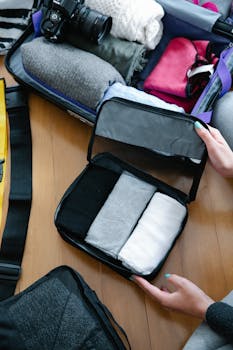
Packing cubes add modularity. Clearly labeled, they keep items separated and let you compress soft items, freeing up more space for souvenirs or snacks along the way.
Packing Gear and Smart Accessories to Streamline Your Experience
Invest in reusable travel-size liquid containers for TSA compliance. Fill them only with what you’ll truly use on the trip—no “just in case” items crowding your quart bag.
Keep electronics in a dedicated pouch. Place chargers and adaptors in clear zip bags for fast airport security checks. Every minute saved at screening means more calm starts.
Use a compact laundry bag for worn clothes, and stash a flat-folding extra tote for spontaneous shopping. This habit prevents last-minute suitcase chaos before heading home.
Adapt Packing Strategies for Unique Trip Types or Special Situations
Travelers using how to pack for travel techniques need extra flexibility for events like weddings, work conferences, or wilderness expeditions. Tailor every detail to your most demanding scenario.
The trick is to break your packing checklist into smaller event-based mini-kits: wedding guest, tech demo, or trekking. Adjust the size and weight of each kit for the trip’s limitations.
Map Event-Specific Needs and Build Micro-Kits to Simplify Choices
For a formal event, zip outfits and accessories in a garment folder. Limit shoes to one versatile pair and add wrinkle-release spray instead of ironing tools.
If participating in outdoor excursions, group gear by activity: a baggie for sunscreen and insect repellent, another for compact emergency tools, all within grab-and-go reach.
Certain medication or snacks for medical conditions get their own pouch. Keep this at the top of your backpack so you never risk missing a dose or meal break.
Pack Dual-Purpose Items for Quick Swaps and Emergency Fixes
Choose clothing that works as both day and night attire—dark jeans, a polo, or a women’s wrap dress. This supports the how to pack for travel principle of minimizing bulk.
Bring a stain-removal pen, sewing kit, and emergency backup like a phone charging pack. Small fixes let your trip continue smoothly even if small hiccups occur unexpectedly.
Compact reusable water bottles, neck gaiters, and portable Wi-Fi routers fit almost every travel scenario. Having them available means fewer last-minute purchases and easier adaptation to surprises.
Review Security and Health Rules for Destinations
For abroad, sync travel health advisories with your checklist. Prepare a travel medical kit with prescription copies, local power adaptors, and a universal plug configuration.
Secure valuables with hidden neck pouches or deep zipper pockets, particularly in unfamiliar transit hubs. Extra security preempts stress, supporting a smoother how to pack for travel experience.
Plan to scan copies of passports, visas, and key documents onto your phone and cloud. Keeping both digital and paper backups helps recover quickly if anything goes missing.
Streamline Your Toiletry and Tech Packing for Faster Mornings and Safer Nights
Condense your toiletry kit by editing to the bare essentials and choosing solid-based or travel-sized liquids. Organization here saves time every day of your trip, from morning till night.
Apply the same logic to tech: one universal charger, a lightweight extension cord, and app passwords stored securely (not on scrap paper). Less clutter means less distraction upon arrival.
- Use refillable silicone bottles for shampoo, conditioner, and soap—label clearly. This system fits with all TSA standards and avoids last-minute spills or forgotten bathroom runs.
- Limit hair styling tools by choosing multi-use or compact versions; a foldable brush goes further than a bulky set of curling irons or straighteners for week-long trips.
- Keep dental hygiene simple: one travel toothbrush, pre-measured toothpowder, and disposable flossers. Store in a small mesh pouch by the top zipper of your bag for after-dinner touchups.
- Secure liquids in zip bags to confine leaks to one spot only. Cushion fragile bottles among socks or scarves for extra protection from baggage bumps or drops.
- Designate a dry toiletries pouch—for creams, lotion bars, and deodorant sticks. This keeps solid items separate and easily accessed when pressed for time at airports or stations.
Stick to this pared-down strategy, and your morning routine becomes a breeze, making it easier to focus on the day’s itinerary rather than hunting through a messy suitcase.
Keep Travel Logistics Smooth With Organized Documents and Backups
Packing for seamless travel requires storing documents and digital backups with the same care as your wardrobe. This approach secures peace of mind and saves time during hectic transitions.
Everyhow to pack for travel success story involves a checklist for passports, tickets, itineraries, emergency contacts, and local addresses. Referencing this list before, during, and after your trip cuts stress immensely.
- Store physical documents in a waterproof pouch, separate from your daily bag. Retrieve quickly when needed and keep important papers looking crisp and professional during long-haul flights or border checks.
- Photograph cards, tickets, and key travel forms, then upload to secure cloud storage; give a trusted contact access before travel for contingency support during loss or emergencies.
- Track essential numbers (hotel, embassy, emergency contacts) in a dedicated note on your phone. Pin these to your home screen for instant access, especially when Wi-Fi is unreliable or unavailable.
- Carry a compact notebook or spare cards for quick jotting or exchanging of details, especially in regions with unpredictable digital coverage or language barriers requiring handwritten instructions.
- Include spare passport photos and digital backups for visas, permits, or identity confirmations—helpful for international travel where requirements may change last-minute.
When you consistently use these tactics, how to pack for travel means confidently adapting to new destinations and sidestepping the stress of last-minute document mishaps.
Apply Packing Lessons to Every Future Adventure
Bring all these steps together, and your suitcase becomes a toolkit for smooth travel, not a source of stress. Each skill you gain helps every how to pack for travel scenario ahead.
The time you invest in planning, selecting, and organizing carries through every trip—freeing you to enjoy new places, cultures, and opportunities without baggage-related worries.
Every journey, near or far, offers the chance to refine your packing system. Keep what works, improve what doesn’t, and let learning how to pack for travel unlock adventure after adventure.


