
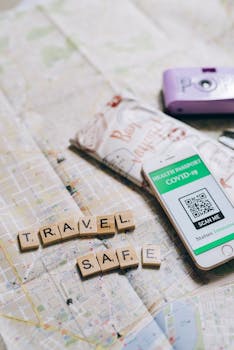
Stepping out into the world brings excitement, adventure, and responsibility. Every traveler wants to return home with good memories, not challenging experiences. Following travel safety tips helps prevent those common slip-ups that can turn a dream trip difficult.
Safety on the road goes beyond watching your wallet. It involves preparing smartly and making real-time choices that protect you from risk or discomfort. Personal awareness shapes how smooth your journey goes.
You’ll discover practical strategies to sidestep pitfalls, keep your trip safe, and enjoy every place you visit. Use these travel safety tips for peace of mind and a rewarding adventure.
Advance Planning Sets You Up for Safe, Smooth Traveling
Using sound travel safety tips at the planning stage reduces stress later on. Here’s how organized preparation helps you solve problems before you leave home.
When you research your destination in detail, you catch small details others miss. Reading reviews and local safety guides makes a real difference in your daily experience abroad.
Researching Destinations with Local Risks in Mind
Study the health, climate, and political stability of your destination. Ask, “What do locals warn tourists about?” This approach brings up road rules or curfews you’d miss otherwise.
Map out neighborhoods before booking a hotel. Safe walking paths make your stay smoother. Use street-view maps and forums to see real-life photos and feedback from recent travel safety tips.
Pack items specific to local risks: mosquito repellent for tropical climates, or traffic whistle for urban areas. Double-check you packed everything on your travel safety tips list for safety gear.
Building an Itinerary with Buffer Time for Emergencies
Insert buffer time in your itinerary. Don’t plan tight connections. Delays or sudden safety alerts are easier to manage if you have an hour or two to adjust.
Share your daily plans with someone you trust. It helps loved ones if you need to be reached urgently. Include your hotel name and a backup phone number for each major stop.
Print out all reservations and emergency contacts. Offline documents help if your phone dies or you lose signal. This step comes from real-world travel safety tips, not just technology guides.
| Planning Step | What to Include | When to Do It | Actionable Result |
|---|---|---|---|
| Research All Areas | Local laws, health tips | 1 month before | Know where to avoid |
| Itinerary Building | Backup activity options | 2 weeks before | Protects against cancellations |
| Pack for Safety | Weather-specific items | 1 week before | No gear left behind |
| Emergency Numbers | Police, embassy | 3 days before | Quick response possible |
| Offline Documents | Maps, bookings | Day before | Works without internet |
Managing Your Belongings: Rules for Preventing Loss and Theft
Clear steps for securing valuables prevent the headaches of lost items or theft. Follow these travel safety tips to protect what matters most everywhere you go.
Use visible deterrents and hidden pockets together. A cheap decoy wallet in your front pocket thwarts pickpockets while your real wallet stays zipped inside your jacket or money belt.
Minimizing Exposure in Crowded Spaces
Avoid displaying expensive electronics or jewelry. If you must check your phone, step aside from crowds and keep conversations brief to avoid drawing attention.
Carry bags across your chest instead of on your back or by your side. This prevents “grab and dash” incidents, which are easy when crowds brush against you unexpectedly.
- Use small locks on backpacks; keeps curious hands out and signals preparation to others.
- Keep essentials in inner pockets; outer pockets invite unintentional loss and theft.
- Turn backpacks forward in crowded spaces for direct control and awareness.
- Photograph important documents; gives you backups if originals are lost or stolen.
- Avoid counting cash in public; do this in private to keep your spending habits discreet.
Follow these travel safety tips in busy markets or transit stations for a stronger sense of security through straightforward routines.
Splitting and Storing Valuables for Maximum Safety
Never keep passport, credit cards, and all cash together. Divide these into two or three locations: a main bag, a day pack, and a secure jacket pocket.
If a room has a safe, use it for items not needed daily. Only carry what you will use during each excursion to limit your risk and loss.
- Separate emergency funds from daily spending; if you lose a wallet, you have a backup supply.
- Use a dummy wallet for decoys; put expired cards and a small bill inside for realism.
- Stash copies of vital documents (scanned to email or USB); helps in embassies and police reports.
- Hide valuables in less-obvious places (inside socks or hidden pockets); thieves tend to skip these.
- Pause before opening your bag in unfamiliar places; scan for anything suspicious nearby first.
Combine all these travel safety tips for strong, practical steps instead of relying on hope or luck to avoid theft or loss.
Staying Aware in Transit and Public Spaces Makes All the Difference
Consistent situational awareness keeps you safer as you move from airport to city and between activities. These real-world travel safety tips anchor your attention during transitions.
Transition from airport to hotel or city requires more than looking at directions. Tune in to your surroundings for changes in crowd behavior, or unfamiliar traffic patterns, at each step.
Pacing Yourself in Unfamiliar Places
Walk with purpose in public even if unsure. If you lose your way, step into a shop to regroup instead of staring at your phone in the middle of the sidewalk.
Look at people’s expressions and body language. If you notice tight clusters of people or sudden silence, consider adjusting your route to avoid possible problems ahead.
Repeat the habit: glance up every few steps, then down to your directions. This subtle, mindful scan is a hallmark of effective travel safety tips on city streets worldwide.
Using Public Transport with a Safety Mindset
Board buses and trains near other passengers, not isolated by yourself. Choose seats close to exits but away from doors to avoid “grab-and-go” theft.
At night, travel with others or in groups. If you sense trouble on public transport—a loud argument, rowdy crowd—exit at the next busy stop unannounced, as many locals do.
Practice the phrase, “Excuse me, is this the right train?” with confident eye contact to engage employees or fellow riders for support if unsure about your plans.
Healthy Habits Keep You Moving and Avoid Mishaps Abroad
Establishing health routines is fundamental for enjoying destinations and reducing risks. Proactive travel safety tips about food, water, and fatigue help you steer clear of sick days and emergencies.
Adapting your habits to new environments starts before your trip. Schedule time for sleep during long-haul travel, and plan healthy snacks to eat between traditional meals abroad.
Choosing Food and Water Wisely
Eat at busy spots popular with locals. “If many people line up here, I can trust what’s served,” is a sound rule in unfamiliar areas.
Boil or buy bottled water where tap water isn’t safe. Watch how ice is stored—unclean ice can undermine all other travel safety tips instantly.
Stick to peeled fruit or cooked vegetables. Raw greens washed in unsafe water carry more risk than you’d expect, so ask, “Is this washed with bottled water?” every meal.
Recognizing and Treating Signs of Fatigue
Notice signs of fatigue like slower reaction times, clumsy steps, or forgetfulness. Plan rest every afternoon, especially during jet lag or intense sightseeing days.
Rehydrate regularly. Always carry a water bottle and refill at known safe stations. Gently stretch during long drives or flights to stay alert and maintain physical readiness.
Use the phrase, “Let’s pause and get our bearings,” among travel companions as a cue to rest, eat, or recover instead of pushing tired bodies or patience too far.
Navigating Cultural Norms and Communication Challenges Successfully
Learning about local etiquette, language, and customs is as much a safety strategy as it is a sign of respect. These travel safety tips steer you away from awkward situations and unnecessary attention.
Before departure, look up basic greetings, common gestures, and ways to refuse politely. Language opens doors, while misunderstanding them can close them unexpectedly.
Understanding Local Dress and Public Behavior Expectations
Pack versatile clothing. In conservative areas, covering your knees or shoulders shows respect and reduces unwanted attention from authorities or bystanders alike.
Watch how locals stand, gesture, or greet each other. Notice: do strangers shake hands, bow, or just smile? Mimicking these behaviors helps you blend in more comfortably.
If unsure, ask hotel staff, “Is this outfit okay here?” or “How do I greet people in this part of town?” Keep learning with each interaction for smoother, safer navigation.
Navigating Language Barriers and Getting Help
Carry a list of key phrases: directions, allergies, numbers, and “help!” or emergency contacts. Offline translation apps or a mini phrasebook can save the day during urgent moments.
Don’t be shy about using gestures or simple English when trying to communicate. People appreciate your genuine effort, which is one of the best-received travel safety tips by experienced travelers.
Respect local boundaries when asking for help. Use soft body language and a smile; speak slowly, repeat politely, and always thank the person—even if you didn’t get an answer.
Responding Calmly and Quickly During Unexpected Situations
Unexpected events happen—missed buses, sudden illness, or heightened crowds. Strong travel safety tips prepare you to act swiftly, reducing panic and making the best out of rough moments.
Practice in advance by running through scenarios: “If my luggage is lost, I’ll call the airline and use my backup credit card for overnight needs.” Calm rehearsals build confidence for real events.
Creating a Personal Emergency Plan
Write down what you’d do if you lost a passport, phone, or wallet. Keep contact numbers in two places—on your phone and a card in your wallet—for instant access if needed.
Choose a simple code word with your travel partner. Saying “Let’s grab coffee” can signal discomfort or the need to leave a situation quietly without drawing attention.
Understand evacuation instructions in hotels or public venues. Find all exits when you arrive; it’s a simple travel safety tip that pays off if the unexpected occurs.
Seeking Help and Reporting Incidents Effectively
If a problem happens, approach staff or authorities promptly. Use confident, clear phrases: “I lost my wallet. Can you help me contact police or embassy?”
Document what happened. Write short notes with dates, times, places, and descriptions for easier follow-up or insurance claims later—this speeds up resolution.
If uncomfortable, politely decline extra help from eager bystanders. Say, “Thank you, but I am waiting for official assistance,” to keep yourself in control during stressful moments.
Using Technology for a Safer, More Connected Journey
Incorporating technology into your travel routine takes travel safety tips to the next level—giving you navigation, communication, and alerts at the tap of a finger.
Download travel-specific apps before departure. Choose maps, translator tools, ride apps, and emergency alert platforms that work offline if you lose data coverage during your trip.
Enabling Location Sharing and Alerts
Share your live location on messaging apps with trusted friends or family. Set up a check-in routine: “I’ll message you at 7 pm daily when I reach my hotel.”
Use government travel alerts or embassy apps to receive updates about local news, weather advisories, or possible disruptions. Follow instructions promptly to avoid emerging risks.
Back up important digital files to the cloud. Store scanned IDs, reservation codes, and medical/insurance documents on a secure, password-protected drive for access anytime, anywhere.
Final Reflections: Making Each Journey Safer and More Meaningful
Safe travel happens through consistent habits, not luck or chance. Adopting evidence-based travel safety tips every step of the way brings confidence and freedom to explore new destinations.
Each strategy outlined here—from managing valuables to mastering new customs—builds skill and self-assurance, leading to richer and more enjoyable travel experiences across the globe.
Let these travel safety tips guide your choices, comfort, and peace of mind. Replace uncertainty with practical routines and remember: every new destination is safer when you prepare thoughtfully and act with care.


