
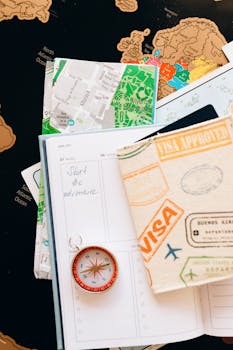
Nothing jumpstarts your sense of adventure quite like mapping out an overseas journey, and an international travel guide helps you shape every step along the way.
Successful global travel isn’t just about sightseeing; planning joins practical details and smart strategies so you can focus on enjoying the unfamiliar.
Dive into this international travel guide—each section is designed to equip you with hands-on tips to confidently plan and savor every stage of your trip.
Setting Foundations with Clear Travel Goals
Choosing the purpose of your trip unlocks every other decision you’ll make. Define if you want culture, relaxation, adventure, or business—this forms your personal international travel guide.
Once you’ve clarified your main travel priorities, you’ll identify which destinations, budgets, and timeframes are the best fit. Use direct criteria—”I want to hike in Patagonia” or “I need family-friendly beaches.”
Packing Purpose Into Your Itinerary
If you crave immersive cultural experiences, jot down specific pursuits: “See Tokyo’s Sakura season,” or “Attend a Parisian cooking class.” This sharpens your route research and daily planning.
For relaxation, pencil in non-negotiable downtime on your calendar. For example, block a full day for the spa or an afternoon for aimless city strolling, prioritizing renewal.
Business or academic goals require syncing schedules with conferences or meetings abroad. Note firm dates, potential networking events, and must-hit venues to make the most of your itinerary.
Visualizing Trip Success
Write a mini mission statement to clarify trip success: “I’ll explore three cities in Italy, sample Milanese cuisine, and snap my favorite mural in Florence.” Let this guide all travel decisions.
Imagining scenarios can highlight potential challenges. For example, if you picture crowded markets, you might prioritize quieter local hotspots instead. Adjust plans based on realistic expectations.
Use analogies to keep your planning anchored: like building a house, every trip’s purpose sets the architectural blueprint for budgeting, timing, and even packing priorities.
| Travel Goal | Example Destinations | Key Considerations | Next Planning Move |
|---|---|---|---|
| Cultural Immersion | Japan, Italy, Morocco | Local festivals, language barriers | Research events, consider a language app |
| Adventure | New Zealand, Peru, Nepal | Seasonality, necessary permits | Check weather, apply for permits early |
| Business | London, Singapore, Berlin | Meeting schedules, fast transportation | Book hotels near venues, prep documents |
| Relaxation | Maldives, Greece, Bali | Resort reviews, quiet seasons | Compare rates, look for retreat packages |
| Family Travel | Orlando, Canada, Thailand | Kid-friendly attractions, safety | Build flexible itineraries, check health advisories |
Mapping Out Destinations and Logistics
Organizing destinations early steers the rest of your trip. Combining an international travel guide with a practical map helps you link sites and manage time efficiently.
Balancing bucket-list hotspots, budget constraints, and travel pace sets realistic expectations. Always include extra days for rest or surprises within your international travel guide to reduce stress.
Building a Seamless Multi-City Route
Plot your main cities, then fill in connectors. For instance, “Paris to Amsterdam by train, then onward to Berlin.” Using this route as a backbone prevents backtracking and saves money.
Lay out daily mileage. For example, “500 miles on day 1, then two days of walking tours,” ensures you neither waste transit time nor miss out on local highlights. Mark downtime deliberately.
- Prioritize direct flights or trains whenever possible: This reduces layover fatigue and increases time at each destination. Book major routes first to lock in pricing and schedules.
- Use reliable mapping tools: Check not just point-to-point distances but transfer times between terminals, stations, or city centers. Relying on real-world commute times avoids nasty surprises.
- Bundle key attractions by area: Instead of seeing sites randomly, cluster museums or neighborhoods by proximity. This way, your international travel guide ensures you can explore more and backtrack less.
- Set repeat overnight locations: Avoid switching hotels nightly unless necessary. Use one city as a base for regional day trips, making gear logistics and packing simpler.
- Assess local travel requirements: Look for visa restrictions or special transport passes, and plan accordingly. Check if you’ll need to reserve high-speed trains or domestic air tickets ahead.
Link these steps to your international travel guide so your whole group stays coordinated on the plan. This approach also simplifies splitting group expenses and tracking bookings.
Practical Tips for Minimizing Delays
Book major travel—airfares, intercity trains, or express buses—first, especially during peak seasons. Cross-verify departure times to avoid 5 a.m. wake-ups unless it’s your intent.
Allow two to three hours for border crossings or tight connections if you’re traveling between Schengen and non-Schengen airports, or across regions with diverse security screenings.
- Pad travel days with spare hours: You might encounter weather snags or transportation strikes. Add a two-hour buffer to any journey longer than four hours to avoid missing connections.
- Opt-in for mobile notifications: Use airline, train, or rideshare apps to receive instant updates—gate changes, cancellations, or seat assignments. Staying alert saves frustration.
- Pre-purchase entrance tickets for must-see sites: For museums or monuments with limited capacity, booking ahead ensures access. Check cancellation policies so you can adjust plans with minimal penalty.
- Print backup copies of your itinerary: Keep phone and paper copies of schedules, ticket QR codes, and addresses. This avoids trouble if your device’s battery dies or cell service drops unexpectedly.
- Communicate detailed plans with all travel companions: Share international travel guide updates and prep a group chat dedicated to travel logistics, not daily banter.
Wrap up your logistics by reviewing each travel segment on a map, asking, “Could this section disrupt the rest of my trip?” If yes, refine timings or add a layover for safety.
Budgeting and Strategic Booking Tactics
Smart budgeting lets you travel farther and more comfortably. Outlining expenses in your international travel guide up front reveals where to splurge and where to cut costs strategically.
Factor in everything: flights, accommodation, visas, daily meals, entertainment, tips, and even last-minute splurges. Use real exchange rates and round up for emergencies or spontaneous experiences.
Price-Tracking and Booking Windows That Actually Work
Set up fare alerts for major routes as soon as your trip is certain—six months for international flights is ideal, but monitor for at least three months in advance.
Check accommodation platforms for refundable deals. If you spot a lower price later, rebook and cancel the original room cost-free. Add these milestones to your international travel guide calendar.
Bundle transport, accommodation, and local licenses only when there’s clear savings. Sometimes, separate deals beat bundled packages—especially with flexible loyalty points or flash sales.
Strategic Use of Credit Cards and Points
Use cards that earn extra points on travel purchases. For example, book flights and hotels on travel-reward cards, while reserving activities with cash-only deals at local venues.
Pay attention to foreign transaction fees. Set travel alerts with your bank to avoid fraud blocks, and bring a chip-enabled backup or virtual card for emergencies.
Scan each receipt for hidden surcharges like “international service fees” or conversion charges. Note where “local currency pay” saves a few dollars, directly within your international travel guide.
Expense Table: Planning and Allocating Budget
| Expense Category | Planning Tip | Estimated % of Budget | Next Step |
|---|---|---|---|
| Flights | Book 3–6 months early, compare engines and alerts | 40% | Lock in with points or watch deals weekly |
| Accommodation | Check reviews, free cancellation, location safety | 30% | Reserve now, adjust if a deal pops up |
| Local Transport | Bundle passes, pre-book high-speed or ferries | 7% | Calculate based on city access and day trips |
| Food & Drink | Mix street eats and special meals, plan cash for tips | 10% | Map restaurants and supermarkets near lodging |
| Activities/Excursions | Research discounts, free days, must-reserve tickets | 8% | Book in advance, earmark a day for spontaneous fun |
| Miscellaneous/Emergency | Round up for surprises: meds, urgent laundry, SIM | 5% | Set an envelope or prepaid card for this |
Securing Documents, Visas, and Entry Rules
Confirming paperwork is essential for a stress-free entry. An effective international travel guide always includes deadlines and official requirements to avoid costly last-minute mistakes or delays at borders.
Start document gathering as soon as your itinerary’s set. Renew passports six months before expiration and check each country’s visa process, which may differ depending on your citizenship.
Managing Visas—Key Rules and Routines
Check visa rules on official consulate pages, not just travel blogs. Some countries allow online e-Visas, while others require mailed applications or interviews. Mark each deadline in your calendar.
Prepare required evidence: hotel bookings, invite letters, onward tickets, recent bank statements. Submit digital or paper copies exactly as requested. Attach one passport photo per form if required—spares help in emergencies.
- Photocopy all key documents: Create two sets, storing one in your suitcase and one with a trusted contact. Include your passport photo page, visas, and insurance cards for safety.
- Organize paperwork in a waterproof folder: Airports and borders can be chaotic, so a see-through pouch allows quick access. Place it in your main carry-on alongside your phone and boarding passes.
- Use digital backups: Scan and upload copies of your passport, visa, and any permission letters to a secure cloud folder. This action saves time if originals are lost or requested by officials.
- Double-check entry/exit rules: Some countries demand onward travel proof or minimum funds. Write a checklist in your international travel guide before boarding your flight to avoid delays.
- Keep embassy contacts handy: Save numbers and addresses for each destination. If you hit a snag—lost passport, rule confusion—you’ll know who to call instantly, saving precious time.
After confirming documents, track expiration dates in your international travel guide, setting reminders a month before expiry. No one wants to miss a trip due to missing paperwork.
Customs Declarations and Local Registration
Check if your destination asks for customs forms or specific declarations: food products, medications, or electronics sometimes trigger extra checks. Fill these forms truthfully, keeping receipts if challenged.
In some countries, register with local authorities soon after arrival. Take your passport and entry stamp to a police station or traveler’s office as required—this simple step sidesteps fines or delays.
- Declare restricted items: Don’t risk a hefty fine by forgetting that honey, meats, or valuable antiques are sometimes off-limits. Research and pack accordingly in your international travel guide.
- Separate over-the-counter medications: Some countries ban common drugs—place all pills, even ibuprofen, in labeled containers with a prescription copy or purchase receipt.
- Prepare for technology checks: In rare cases, customs agents review laptops or cameras for prohibited content. Clear sensitive files or use a guest login if you’re carrying work devices abroad.
- Complete online arrival forms early: Some require digital check-ins 24–48 hours before entry. Save or print confirmation codes—even if not mandatory, they speed up the arrival line.
- Stay calm and courteous: Customs inspections can be stressful. Answer clearly, avoid jokes or frustration, and keep printed translations of important requests if you don’t speak the local language.
Each successfully completed entry step brings you one giant leap closer to the excitement and rewards detailed in your international travel guide.
Organizing Essential Health and Safety Steps
Proactively handling health and safety keeps your journey on track. Building these steps into your international travel guide guards your wellbeing and helps you adapt to unexpected events abroad.
Research travel vaccines as early as possible and book appointments well in advance, as some treatments require weeks for full immunity. Keep an updated shot record in both digital and paper formats.
Securing Reliable Travel Insurance
Select an insurance policy covering medical emergencies, theft, and evacuation. Compare benefits: direct-billing options, adventure sports coverage, and COVID-19 clauses. Read fine print before purchase and keep a policy summary on your phone.
Print and pack claims instructions. If you’re stuck at a clinic, snap photos of receipts and paperwork for reimbursement. Some policies require immediate notification, so use international hotlines saved in your guide.
Choose emergency contacts who will answer promptly. Discuss your itinerary with them so that, in a crisis, they can share details or authorize care if you’re unavailable.
Prepping For Medical Needs on the Move
Pack only essential medications in original bottles, accompanied by written prescriptions or a doctor’s letter. Store extras in checked bags and carry-ons for redundancy during transfers.
Identify healthcare providers near every overnight location. Add their addresses and phone numbers to your international travel guide—it’s a lifesaver if you face a sudden illness at 2 a.m.
Carry a basic first-aid kit: bandages, pain relievers, blister pads, and oral rehydration salts. Place it at the top of your bag for instant access throughout your travels.
Building Flexible, Realistic Itineraries
Structuring your daily plans increases fulfillment and minimizes letdowns. The best international travel guide harnesses flexibility, blending must-see highlights and generous free hours for spontaneous opportunity.
Schedule “anchor” experiences each day—major tours or events—then let lunch breaks, scenic strolls, or coffee stops fill any gaps. Designate backup options for bad weather or site closures.
Balancing Highlights and Downtime
Map three core activities daily, followed by open slots. For instance, “Vatican Museums in the morning, Trastevere neighborhood in the evening.” Leave midday hours for rest or local discoveries.
Draft two backup plans: One for if you have high energy and another for rain or delays. For example, swap a city walk with indoor galleries if the weather changes suddenly.
Build in buffer days after major moves: If you’re arriving in Bangkok on Monday night, don’t plan big excursions early Tuesday. Your international travel guide thrives with restful transitions as you adapt.
Sharing Plans and Staying Coordinated
Send your international travel guide itinerary to travel companions ahead of time. Ask for input, clarify priorities, and note dietary or physical needs up front—avoid last-minute tension on arrival.
Use shared notes apps or group calendars so everyone can suggest ideas and track daily meeting points. Set default rendezvous times each day, such as “Breakfast at 8 a.m. in the hotel lobby.”
Swap local SIM cards or traveler eSIMs on arrival. This enables group members to message or update plans instantly, even in destinations with patchy Wi-Fi. Add backup meeting points in writing.
Wrapping Up Plans and Preparing for Departure
Reviewing each detail before departure assures a smoother trip. The international travel guide should include three checklists: packing, digital devices, and home arrangements.
Recap crucial action items for your flight: check-in times, COVID test rules, seat assignments, and pre-filled immigration forms. Every completed task lightens your pre-trip mental load.
Revisit your itinerary and budget summaries, confirming all entries match passports, tickets, and reservation names exactly. Adjust for any last-minute booking changes, like upgrades or travel delays.
Charge electronics fully and pre-download essential maps, translation guides, and ticket barcodes in offline mode. This prevents tech trouble if Wi-Fi is unavailable after landing or along your journey.
Share final plans with your emergency contacts, leaving copies of your international travel guide paperwork at home. You’ll journey with added peace of mind, knowing you’ve covered every base.


