
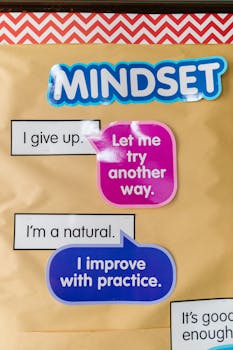
Feeling stuck can be frustrating, but knowing where to start makes change possible. Tapping into practical growth mindset tips can shift results and daily satisfaction significantly.
Growth mindset concepts have helped people learn faster, recover stronger from setbacks, and set bigger goals. Small changes in how you think can produce concrete results in just a few months.
This article shares step-by-step growth mindset tips—drawn from real examples—that empower you to improve every day, whether at work, school, or in personal projects. Let’s get started together.
Setting Clear Goals Leads to Better Habits
Defining a goal moves your growth mindset from theory to action. Achievable goals create structure, so progress is trackable and consistency becomes easier to build.
When you tie growth mindset tips to goal-setting, each week provides a fresh opportunity for real improvement. Intentions on paper become habitual actions faster than you expect.
Visualizing Steps Builds Confidence
A growth mindset favors clear, stepwise plans. Picture yourself finishing tasks; imagine how your day will look with each step completed. This primes your brain for effort.
Try this: “Tonight, I’ll write two paragraphs before dinner, even if they’re rough.” That phrase offers a micro-target, which is more motivating than a vague hope to “write more.”
Seeing these steps repeated in your routine gets your mind used to success. It also makes the process less intimidating, so growth mindset tips become natural habits.
Tracking Progress Shows What Works
Use a basic calendar or app to note your daily or weekly action. Each checkmark gives instant feedback—proof your growth mindset tips are paying off.
Imagine saying, “I’ve logged my workouts four days this week.” That statement signals your improvement is measurable, not just a feeling. You’re now focused on process, not just outcomes.
Comparing weeks reveals more than you might remember. Noticing trends keeps motivation high, while seeing lulls reveals points for new growth mindset tips.
| Goal Type | Example Action | Tracking Method | Next Step to Take |
|---|---|---|---|
| Fitness | Walk 20 minutes | Step counter app | Link walk to lunchtime each day |
| Learning | Read 10 pages | Bookmark daily | Summarize one takeaway per session |
| Work | Finish email drafts before noon | Task list app | Batch emails in timed bursts |
| Personal | Call one friend weekly | Weekly calendar alert | Set up recurring reminders |
| Creative | Sketch 5 minutes | Notebook checkmark | Keep supplies out and visible |
Adopting Flexible Thinking Reduces Frustration
Flexible thinking ensures setbacks don’t derail progress. When routines change or results lag, applying growth mindset tips keeps momentum up and guilt down.
Flexibility also means adjusting plans when new challenges pop up. This mindset sees failures as fuel for learning, not proof you’ve hit your limit.
Switching Strategies When Plans Shift
If your original plan tanks, say aloud, “What strategy haven’t I tried yet?” Growth mindset tips remind you to swap techniques, not surrender.
This keeps you moving, even on tough days. For instance, switch from reading articles to watching short videos—adaptation keeps information fresh and engaging.
- Pause after mistakes; ask “What’s another way?” to train recovery, not shame, as your default response.
- Research one new solution instead of repeating the same failed process—expanding your toolkit each setback.
- Shift self-talk: Replace “I’m bad at this” with “I haven’t solved this yet,” which opens your mind to alternatives.
- Ask a friend for their perspective when you’re stuck—new voices inject fresh air and spark ideas you’ve never considered before.
- Break big tasks into smaller chunks and try different mini-tasks; progress in any part still counts towards your main goal.
Build a habit of flexibility by using growth mindset tips whenever you spot rising frustration. Each small pivot strengthens your resilience.
Learning From Mistakes as a Rule
When an error happens, say, “This mistake happened because…” not “This always happens.” Growth mindset tips emphasize learning over labeling.
Make a brief note of what tripped you up. Over time, you’ll see common pitfalls, making it easier to avoid old patterns and try different tactics next time.
- Write down the exact wording that triggered your setback—seeing it solidifies what to change next session.
- Create a checklist of what to avoid next time; actionable lists turn lessons into prevention, not regret.
- Ask: “What did I enjoy even if the result fell short?” This positive angle keeps growth mindset tips relevant.
- If timing was off, adjust your schedule instead of repeating late-night tasks that failed before.
- Set a mini-goal to apply your fix in the next session, not just in theory—this accelerates the learning curve.
With repetition, this approach makes mistakes part of progress, not evidence of failure. You’ll bounce back faster by acting on your own experiences.
Celebrating Small Wins Motivates Consistent Progress
Noticing small wins reinforces each step forward. Applying growth mindset tips means rewarding effort, not just results, so momentum doesn’t stall.
Each positive moment becomes fuel for the next challenge. Tracking small wins prevents discouragement and keeps your focus on what’s working right now.
Building Reward Rituals That Stick
Create simple, repeatable celebrations after completing tasks—like saying aloud, “Done!” or giving yourself five quiet minutes. This links growth mindset tips to real, satisfying feelings.
Choose rewards you control. For example, “After reading, I’ll have my favorite tea.” This predicts pleasure, nudging your brain to crave the process, not just the finish line.
Notice how your posture changes after small victories. Standing taller signals a job well done and reinforces a positive loop each time you practice growth mindset tips.
Sharing Wins With Supportive People
Saying, “I finished my run” to a friend, even casually, gives your achievement weight. Social accountability multiplies the motivation found in simple growth mindset tips.
Set up a “wins chat” with a friend or group where sharing progress is encouraged but not pressured. Celebrate efforts, not just grand results—this keeps the group spirit alive.
Remember, the act of celebrating together makes momentum contagious. If you notice someone else’s win, acknowledge it—you reinforce the atmosphere you want for yourself, too.
Using Self-Talk to Reframe Setbacks Quickly
A conversation in your head can change your actions. Growth mindset tips focus your self-talk on solutions, not stuck points. This rewiring powers smarter reactions next time.
If you hear, “This is too hard,” respond with, “I’ll try a new way.” Over time, this becomes automatic, transforming difficulty into opportunity for skill-building.
Practicing Phrases That Promote Action
Train your brain: Use short, specific reminders like, “Progress is practice,” or “Every step counts.” Say these before or during your most challenging tasks.
When a setback pops up, speak the phrase, “This is learning in progress.” Growth mindset tips keep perspective realistic, so one bad day doesn’t define your year.
Notice which phrases give a boost and which need tweaking. Edit your own script until your self-talk feels encouraging, practical, and uniquely yours.
Turning Complaints Into Curiosity
When you catch yourself grumbling, replace “Why do I always fail?” with, “Interesting, what can I adjust this time?” The new focus pulls you back into action.
This shift stops rumination before it becomes a habit. Growth mindset tips turn self-reflection into problem-solving, not just venting, so your thinking grows with each challenge.
Write a few “curious” questions on a sticky note near your desk. Refer to them any time frustration sets in, and watch your recovery speed up considerably.
Comparing Effort Over Time for Sustainable Improvement
Consistently applying growth mindset tips shifts your energy from “Did I win yet?” to “Did I try better than last week?” Steady effort outperforms occasional bursts every time.
A simple scorecard, checked weekly, can chart your actual input. This objectivity helps train your brain to value commitment, not just raw talent or luck.
Designing Your Personal Scorecard
Divide a sheet into days and tasks. Place one mark per completed task. Each row represents visible effort, not outcomes, making steady improvement trackable and rewarding.
A scorecard lets you spot slumps early. Instead of comparing yourself to others, you compare today’s progress to yesterday’s, reinforcing growth mindset tips.
Adjust goals by reviewing this record monthly: Where did you thrive? Where did effort stall? Small tweaks keep growth on track without burning out motivation.
Using Patterns to Refine Approaches
When your chart reveals consistent effort, celebrate. If some days lag, ask, “Was the goal too big?” Tuning the challenge makes each growth mindset tip feel achievable.
Look for patterns like recurring distractions or days you skip tasks. Change your environment or timing based on these clues to keep momentum rising.
This review cycle makes results predictable over months—not random. Over time, you’ll trust the growth process and stick with habits longer.
Embedding Growth Mindset Tips Into Everyday Life
Maintain a visible list of growth mindset tips in your workspace or planner. Exposure increases recall, making positive thinking easier at stressful moments.
- Post a sticky note: “Process wins count as victories.” See it each morning for instant attitude adjustment.
- Add a recurring event to your calendar titled “Growth Mindset Check-In,” set for a quiet time you can reflect calmly.
- Pair growth mindset tips with daily routines. Recite one while brushing your teeth or starting your commute—let repetition build automatic associations.
- Share one tip from your list with a friend or colleague each week. Teaching makes the concept stick and encourages joint accountability for improvement.
- Pick one tip and focus on it all week. Notice and jot down specific examples where it makes a difference. Review and rotate tips regularly to keep learning dynamic.
Bringing growth mindset tips into daily rituals makes them second nature. This scaffolding supports bigger changes over time, regardless of where you started on your journey.
Moving Forward With Confidence and Realistic Optimism
Applying growth mindset tips regularly transforms improvement from wishful thinking to reliable practice. Every strategy in this article is grounded in what you can start right away.
Even on days when progress stalls or setbacks sting, following clear steps keeps your attitude resilient and your results trending up. There’s value in each attempt.
Growth mindset tips build more than skills; they change how you view difficulties, effort, and ultimate success. Try one new tip this week and notice how quickly your results shift.


