
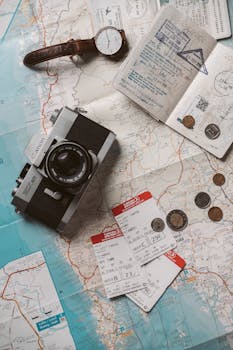
Best Destinations for Budget Travelers Around the World:
Budget travel isn’t just a dream—it’s a real possibility for those looking to discover new places without draining their savings. When discussing travel, the phrase budget travel destinations always surfaces, promising memorable journeys that don’t strain your wallet.
Exploring affordable destinations grows more appealing as airfares and daily expenses increase globally. People eager to stretch every dollar recognize the value in planning purposeful, smart adventures that yield both excitement and financial control.
Let’s dive into a handpicked list of international spots and actionable tips that make budget travel destinations attainable for everyone, from students to seasoned explorers on tight budgets.
Choosing the Right Destination Changes Your Savings Outlook
Deciding where to spend your travel dollars transforms the rest of your journey, shaping both your budget and itinerary. A smart choice maximizes your experiences.
Selecting from budget travel destinations such as Vietnam, Portugal, or Mexico directly impacts your daily costs. Track spending habits by noting how often locals choose affordable food or transport options.
Comparing Daily Costs by Region
Southeast Asia can feel forgiving on your wallet when you use local buses and enjoy street food. In Bangkok, for instance, travelers eat delicious noodles for $2 and ride the train inexpensively.
Eastern Europe lets you stay in historic cities for less than Western capitals. Hostels in Budapest cost under $15 nightly, and two tram rides with sightseeing rarely top $3 combined.
South America offers flavorful markets and scenic hikes in countries like Bolivia or Peru. Split costs by sharing taxis with other backpackers. Try a hostel with a kitchen, then buy market vegetables.
Rule of Thumb for Decision Making
Start with a price tracker: before booking any destination, search average hostel rates, local food prices, and entry tickets. If three categories are consistently low, add to your shortlist.
Look for places where locals use shared public infrastructure, such as ferries, metro networks, or public parks. These signpost budget travel destinations well-adapted to a lower total trip cost.
Compare the top five most affordable options in the table below. Use it to filter your choices or set realistic daily budgets before booking the trip.
| Destination | Avg. Hostel Price | Meal Cost | Key Takeaway |
|---|---|---|---|
| Hanoi, Vietnam | $7/night | $2/meal | Eat local, skip taxis for big savings |
| Budapest, Hungary | $13/night | $5/meal | Use trams, buy city cards |
| La Paz, Bolivia | $9/night | $3/meal | Markets offer the cheapest eats |
| Lisbon, Portugal | $16/night | $7/meal | Walk neighborhoods, use streetcars |
| Mexico City, Mexico | $11/night | $4/meal | Metro cuts commuting costs |
Simple Local Tricks That Lower Costs Quickly
Embracing local habits at budget travel destinations results in quick savings, especially for food, transportation, and activities. This hands-on approach guarantees authentic, affordable experiences.
Locals tend to shop where prices are marked for residents, not tourists. Instead of heading to familiar chains, copy routines, like ordering the ‘menú del día’ in Spain to avoid overpaying.
Food Markets as a Cost Saver
Food markets anchor local living in many countries. Arriving when stalls open means better prices and fresher produce. Watch how locals scan for specials, then replicate their actions for affordable fare.
- Eat where families dine at lunch; prices drop as the rush fades and you get a seat without a wait, often for less than restaurant menus.
- Order local set meals; they include soup, a main, and dessert. Portions tend to be generous because they’re made for workers, not tourists.
- Shop after 5 p.m.; vendors want to sell off the day’s stock and you can negotiate a lower price, especially at open-air markets.
- Ask locals “where’s your favorite spot for lunch?” Take their advice literally to avoid tourist pricing traps and bland flavors.
- Skip international chains. Local bakeries or sandwich stands charge less and the flavor is often more memorable, making budget travel destinations taste even richer.
Local festivals pull in food trucks or pop-up kitchens serving cheap, unique regional snacks. This livens up your day and keeps you within budget.
Public Transit Rules
Navigating the city by public transit brings immediate cost reductions. Buy single-use or rechargeable cards popular among residents for the biggest discounts.
- Purchase weekly or multi-day transit passes so you aren’t paying high rates for each trip. This shrinks overall transportation costs across long itineraries.
- Validate tickets using the same process as commuters. Watch for signs at turnstiles, matching what the person ahead of you does with their card or ticket.
- Travel outside rush hours to get a seat, and sometimes fares drop off-peak. Quiet times feel safer and less stressful—plus you beat the crowds.
- Use city apps to monitor real-time bus or train arrivals, just as locals do to avoid standing around or missing connections in budget travel destinations.
- Follow signage to local stops instead of tourist-marked shuttles. These routes weave through neighborhoods and showcase authentic daily life, adding value to your travel story.
Opting to walk when distances are short leads to accidental discoveries—hidden parks, quiet courtyards, and spontaneous street music—while sticking to your intended budget.
Finding Free and Low-Cost Attractions Boosts Your Planning Power
Building your schedule around free or discounted attractions sharpens your budget travel skills. Every no-fee museum or city tour reserved in advance multiplies your daily impact.
Leveraging the Power of Free Days
Many museums open their doors at no charge on certain days of the week. Track these opportunities before arrival. For instance, Paris’ top museums waive fees the first Sunday monthly.
Time these visits for early in the day to beat lines and enjoy quieter galleries. If guided tours require pre-registration, sign up online the week before to guarantee your spot.
Certain festivals or parades wave entrance costs. Talk to the local tourism office for a calendar—often displayed on chalkboards outside—then plan to join festive city traditions.
Community Spaces Offering Cultural Value
Explore public gardens, historic plazas, and walking paths posted on municipality websites. These spaces showcase the everyday rhythm of residents and cost nothing.
Picnic with snacks from markets in a riverside park rather than eating in touristy squares. You absorb more atmosphere for less cash while studying life around budget travel destinations.
Peek into churches or temples during quiet mid-week hours. Speak softly and mimic locals as you enter, showing respect and saving on heritage entrance fees.
Stretching Your Accommodation Budget with Local Insights
Booking the right place can double your comfort and halve your costs, leaving extra money for attractions. Hostel reviews and booking lead times matter more than star ratings.
Pick properties with kitchens, allowing you to prepare two meals daily and splurge on occasional special dinners out. Peer-reviewed local guesthouses add an extra layer of security and insight.
Check for ‘pay at property’ options. Avoid prepaying if plans change, giving flexibility while you seek out the best budget travel destinations. Scan cancellation windows closely.
Stay in neighborhoods just outside tourist centers; rates drop sharply while public transit keeps sights accessible. You’ll bump into locals, learn routines, and try more authentic snacks and shops.
Before confirming, message the host or property with a direct, polite inquiry: “Do you offer better rates for stays longer than seven nights?” This step creates surprises in your favor.
Packing and Logistics: Small Adjustments Saving Big
Smart packing means fewer unexpected purchases on the road, freeing you to stretch your budget in surprising ways at budget travel destinations worldwide.
Removing extra shoes or bulky items can prevent overweight luggage fees. Focus instead on layering, reusing clothes, and using a lightweight daypack for outings.
Action Sequence for Packing Smarter
Roll clothing tightly and use packing cubes—this system lets you assess what you have and see gaps before zipping your suitcase shut. Try a final sweep for items left behind.
Insert a reusable water bottle to avoid frequenting kiosks at higher tourist prices. Add power adapters or local SIM cards sourced ahead of the trip for better value.
Bring a compact umbrella or rain jacket, especially in variable climates. These items cost twice as much in airports or convenience stores attached to train stations.
Analogies for Efficiency
Think of packing like assembling a toolkit: include only what solves specific challenges, not extras that sound nice but never get used. This keeps your bag lean and your wallet fuller.
Travel insurance acts as a safety net, much like carrying a spare tire in your car. It’s rarely needed but critical on the odd bumpy road or unexpected delay.
Visualize your daily steps—from leaving your room to city explorations—and remove anything that doesn’t fit, mirroring how chefs clear unnecessary tools before prepping a meal.
Fine-Tuning Experiences With Seasonality and Timing
Choosing when to travel makes a major difference at classic budget travel destinations, affecting crowds and prices. Off-season visits add comfort to your budget strategy.
Booking overnight buses or trains can cover both accommodation and long-distance travel for a single low price. Ask sellers for “cama” (bed) class for restful journeys.
Example Planning Steps
Set Google alerts for travel deals relevant to your shortlist. Note patterns—if flights to Vietnam are cheapest in May or September, lock in those dates for the best results.
Read local tourism boards’ event calendars to learn when major festivals occur and which weeks experience lulls in visitors. This helps you enjoy less crowded attractions and softer rates.
Sign up for hostel updates via social feeds; properties drop prices when beds go unsold close to check-in. Grab a promotion if your plans are flexible.
Making Micro-Adjustments On the Road
Once at your destination, assess if eating out at lunch saves more than dinner due to menu specials. Adjust your timing based on local customs observed firsthand.
Transit passes bought mid-week instead of weekends may cost less. Buy before rush hour to avoid lines; locals line up 10 minutes ahead, signaling it’s time to act quickly.
Ask, “When are museum admission prices lowest?” Repeat this at each site. Write answers in your notebook, then share with future travelers you meet along the way.
Your Personalized Map for Affordable Adventures
These strategies for budget travel destinations bring cost clarity, freeing up resources for deeper experiences, cultural immersion, and spontaneous fun—which define truly memorable trips.
Focusing on local routines, savvy packing, and off-peak travel doesn’t mean sacrificing comfort or discovery. Instead, it emphasizes wise choices tailored to your needs and personality.
Every detail, from shopping in open-air markets to joining free city tours, adds up over the course of a journey. Intentional planning transforms the ordinary into the extraordinary, on any budget.


